Rainwater harvesting is an ancient practice that has gained renewed attention in recent years as a sustainable solution to water scarcity and environmental conservation. At its core, rainwater harvesting involves collecting and storing rainwater for future use, which can be as simple as catching rain runoff from roofs into barrels or as elaborate as systems that filter and store thousands of gallons of water for household or agricultural use.
This practice is not only environmentally friendly but also economically beneficial. It reduces dependence on municipal water supply, lowers water bills, and decreases the demand on groundwater. Furthermore, rainwater harvesting helps mitigate flooding, reduces soil erosion, and lessens the burden on stormwater systems. By capturing and reusing rainwater, communities can enhance their resilience against drought and other climate-related challenges.
Rainwater harvesting systems vary widely in scale and complexity, from individual household setups to large-scale installations serving entire communities. Modern technologies have significantly improved the efficiency and effectiveness of these systems, making rainwater a viable resource even in urban settings. As climate change exacerbates water shortages and increases the frequency of extreme weather events, rainwater harvesting offers a proactive approach to water management, supporting both human needs and ecological balance.
By integrating rainwater harvesting into our daily lives, we can make a substantial impact on conserving water, protecting our environment, and ensuring a sustainable future. Whether implemented at a small scale in homes or a large scale in public infrastructures, rainwater harvesting represents a forward-thinking strategy that aligns with the principles of sustainability and responsible resource management.

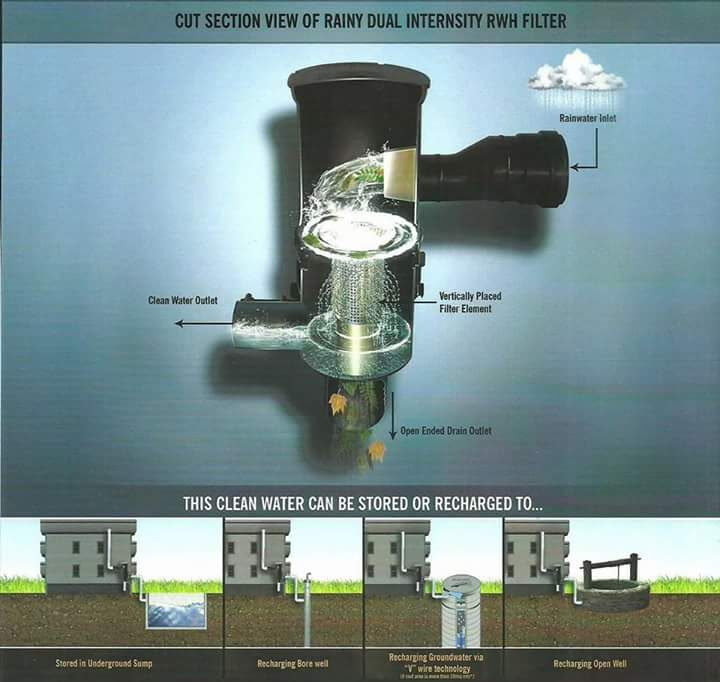
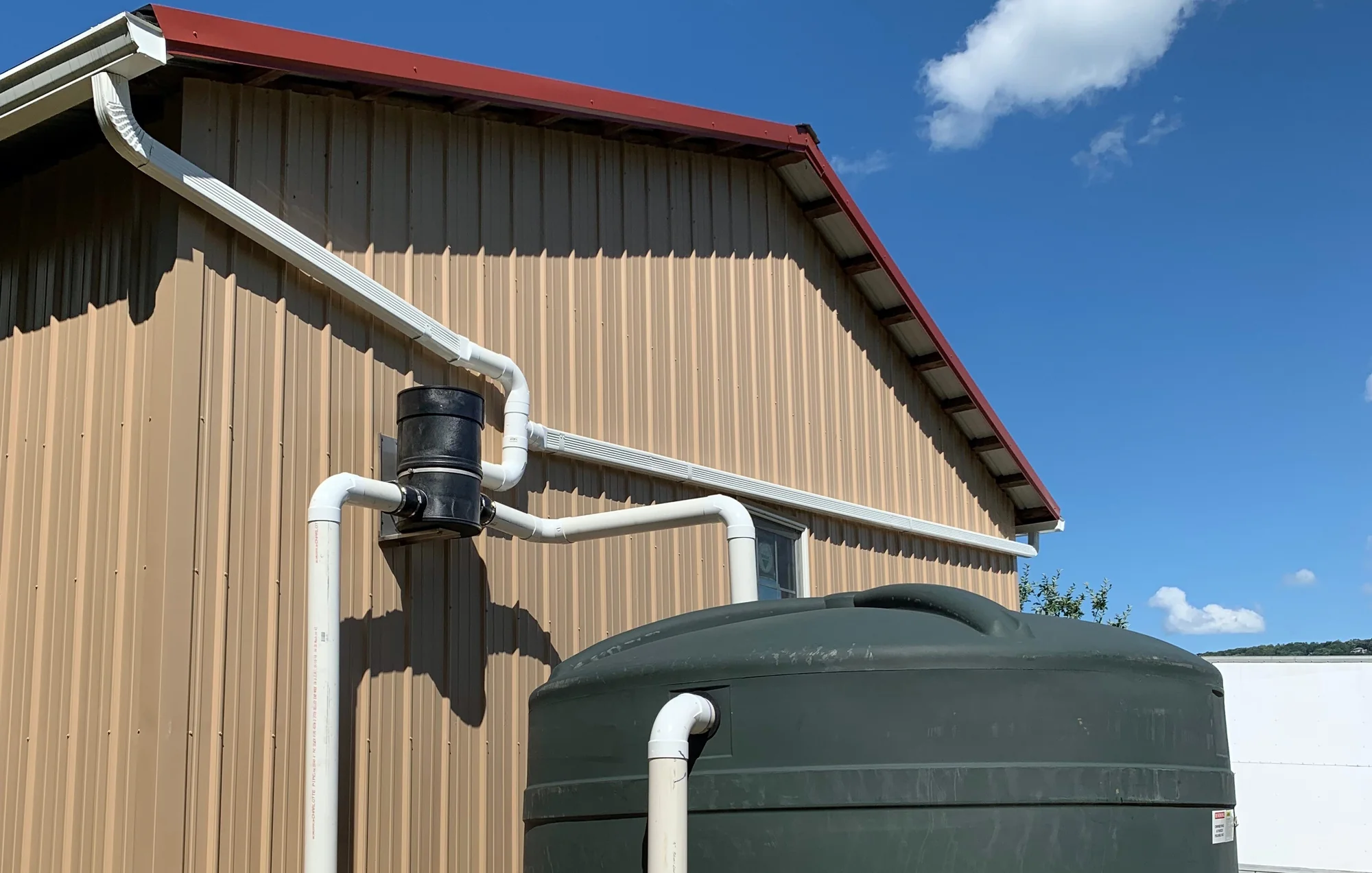
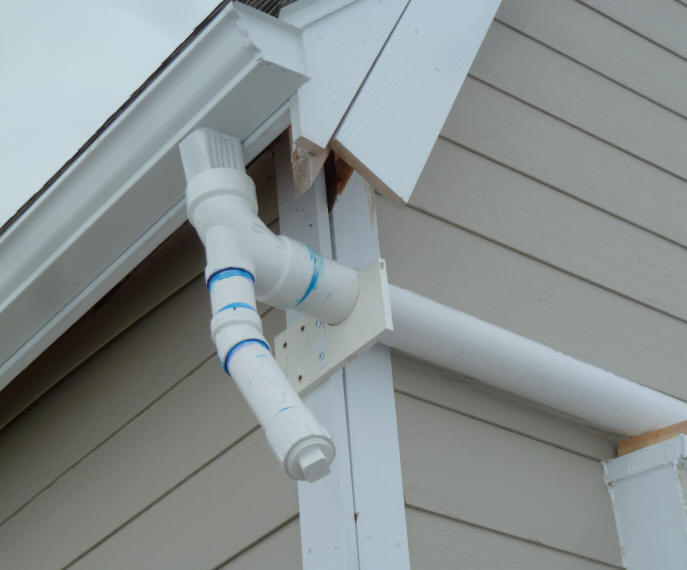
Rainwater is collected from rooftops or other surfaces and directed through a network of gutters and downspouts into a storage tank.

The collected water passes through filtration systems to remove debris and contaminants, ensuring it is clean and safe for use.

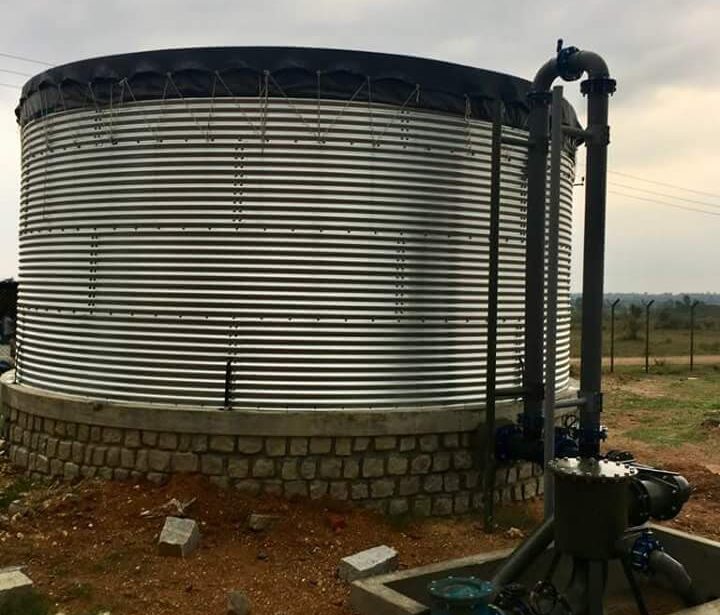
Filtered water is stored in tanks made from durable materials designed to keep the water clean and fresh. Our tanks come in various sizes to accommodate different needs.

The stored rainwater is then distributed through a network of pipes to where it is needed, whether it be for irrigation, flushing toilets, or other non-potable uses.
By capturing and reusing rainwater, we significantly reduce the demand on traditional water sources such as rivers, lakes, and underground aquifers. This helps preserve these vital ecosystems and ensures that they remain viable for future generations.
Rainwater harvesting systems mitigate stormwater runoff, which can overwhelm drainage systems and cause flooding. By collecting rainwater, we reduce the burden on municipal stormwater infrastructure and decrease the risk of urban flooding.
By controlling the flow of rainwater, these systems help prevent soil erosion. This is particularly beneficial in agricultural settings where maintaining soil integrity is crucial for crop production.
In areas where rainwater is allowed to infiltrate into the ground, harvesting systems can help replenish groundwater supplies. This is essential for maintaining the levels of wells and natural springs.
By using harvested rainwater for non-potable purposes such as irrigation, toilet flushing, and washing, households and businesses can significantly reduce their municipal water usage, leading to lower water bills.
Municipalities can save on infrastructure costs related to water supply and stormwater management by promoting and integrating rainwater harvesting systems in urban planning.
Properties with rainwater harvesting systems are often viewed as more sustainable and eco-friendly, which can increase their market value and appeal to environmentally conscious buyers.
Many local governments offer tax incentives, rebates, or grants for installing rainwater harvesting systems. These financial incentives can offset the initial costs of system installation and promote wider adoption.
Rainwater harvesting provides an independent and reliable source of water, especially during periods of drought or in areas with limited access to municipal water supplies.
Rainwater is naturally soft and free of chemicals commonly found in tap water, such as chlorine and fluoride. This makes it ideal for watering plants and gardens, promoting healthier growth and reducing the need for fertilizers.
In rural or wildfire-prone areas, stored rainwater can be a valuable resource for fire suppression, providing a readily available water source for firefighting efforts.
Rainwater harvesting enhances community resilience by providing a decentralized water supply. This can be crucial during emergencies or natural disasters when conventional water supplies might be disrupted.
Implementing rainwater harvesting systems in schools and community centers offers educational opportunities to teach about sustainability, water conservation, and environmental stewardship.
Widespread adoption of rainwater harvesting systems encourages more sustainable lifestyles and promotes environmental responsibility among community members.
Rainwater harvesting can reduce the risk of water contamination associated with aging municipal infrastructure. Properly maintained systems provide a clean alternative water source.
Harvested rainwater can be used for household cleaning and bathing, reducing exposure to chlorine and other chemicals found in treated municipal water.
Rainwater harvesting enhances community resilience by providing a decentralized water supply. This can be crucial during emergencies or natural disasters when conventional water supplies might be disrupted.
With a reliable source of water, landscaping and garden maintenance become more manageable and sustainable, leading to more vibrant and resilient outdoor spaces.