

Solar Harvesting
Solar harvesting, commonly referred to as solar energy collection, is a process of capturing and converting sunlight into usable energy. As a renewable and abundant energy source, solar power stands out as a key player in the transition towards sustainable and clean energy solutions. The technology behind solar harvesting has advanced significantly, making it more efficient and accessible than ever before.
In recent years, technological advancements have expanded the possibilities of solar harvesting. Innovations such as solar shingles, flexible solar panels, and solar-powered vehicles are pushing the boundaries of how and where solar energy can be utilized. Additionally, improvements in energy storage solutions, like batteries, are enhancing the reliability and efficiency of solar power systems, ensuring a steady energy supply even when the sun is not shining.
The global push towards sustainable development and the increasing awareness of environmental issues have made solar harvesting an essential component of modern energy strategies. By harnessing the power of the sun, we can significantly reduce our carbon footprint, foster economic growth, and pave the way for a cleaner, more sustainable future. As more individuals, businesses, and governments embrace solar energy, we move closer to a world where renewable energy is the norm, not the exception.
How it Works?
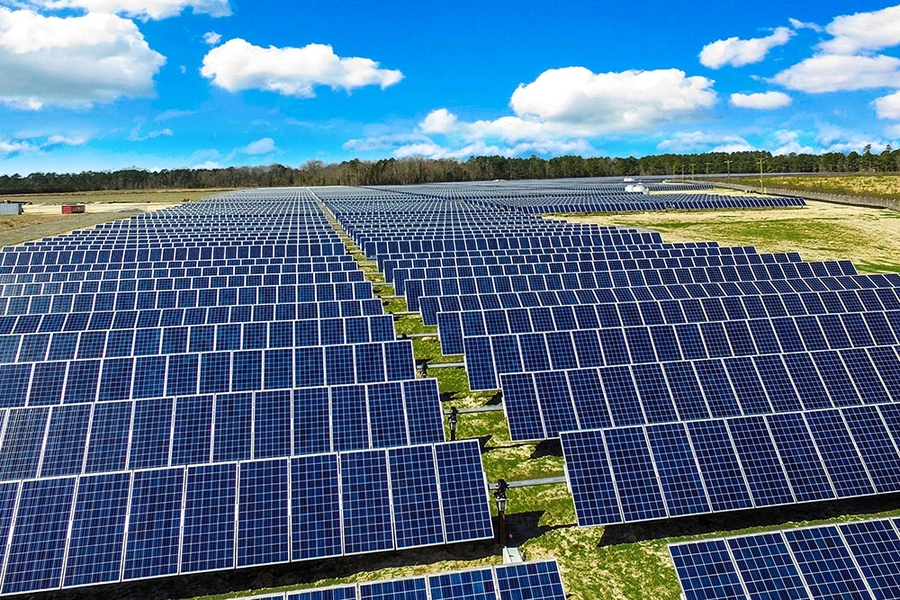
- Geographic Location
- Sunlight Hours
- Shading
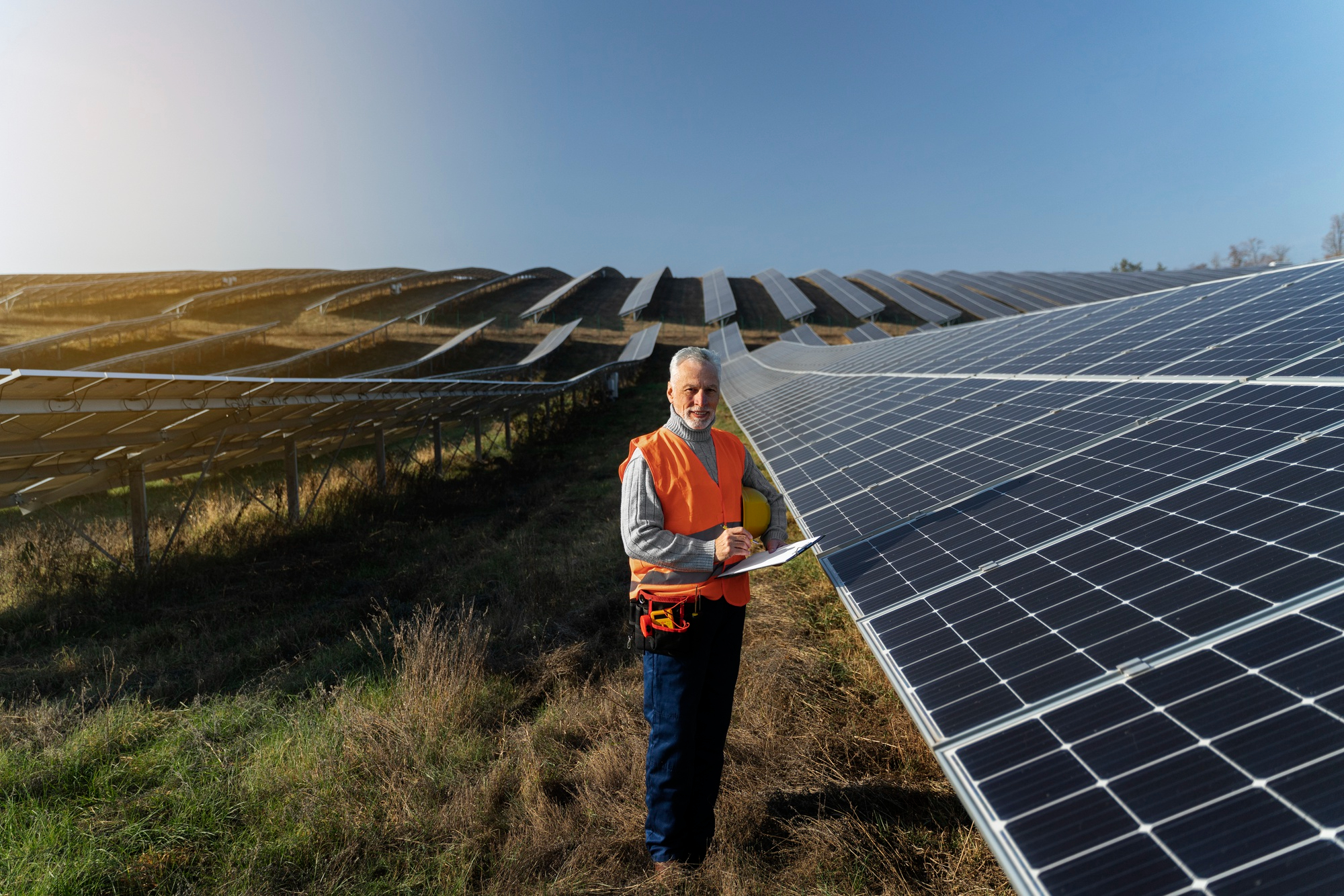
- Photovoltaic (PV) Panels
- Solar Thermal Systems
- Concentrated Solar Power (CSP)

- Energy Audit
- Peak Energy Needs

Number of Panels
Placement
Inverters
Benefits Solar Harvesting
Solar harvesting presents a multifaceted array of benefits that support environmental stewardship, economic growth, technological innovation, and social well-being. Its adoption is crucial for transitioning to a sustainable and resilient energy future.
Environmental Benefits
Solar energy production does not emit carbon dioxide or other harmful greenhouse gases, making it a clean alternative to fossil fuels. This helps combat climate change and reduces air pollution.
By utilizing an abundant and renewable resource—sunlight—solar harvesting conserves finite natural resources like coal, oil, and natural gas.
Unlike traditional power generation methods that require significant water for cooling, solar energy systems, particularly photovoltaic (PV) systems, use minimal water, conserving this precious resource.
Solar energy production avoids the destructive processes of mining, drilling, and transporting fossil fuels, which often lead to habitat destruction and pollution.


Economic Benefits
Solar energy reduces electricity bills for households and businesses. Once installed, solar panels generate electricity at no additional cost, providing substantial savings over their 25-30 year lifespan.
Solar harvesting allows individuals and communities to generate their own power, reducing dependence on the grid and insulating them from energy price fluctuations.
The solar industry creates jobs in manufacturing, installation, maintenance, and research and development. This sector has been one of the fastest-growing job markets globally.
Homes and businesses with solar installations often see an increase in property value. Prospective buyers are attracted to the prospect of lower energy costs and sustainable living.
Technological and Operational Benefits
Solar energy systems can be scaled to meet various needs, from small residential setups to large-scale solar farms. They can be installed on rooftops, integrated into building materials, or deployed in open spaces.
Solar panels require minimal maintenance. Regular cleaning and periodic checks are typically sufficient to ensure their efficient operation.
By diversifying energy sources and reducing dependence on imported fuels, solar harvesting enhances energy security and resilience against supply disruptions.
The solar sector drives technological innovation, leading to more efficient panels, improved storage solutions, and new applications such as solar-powered vehicles and integrated solar infrastructure.

Social and Community Benefits
Solar energy provides a viable solution for remote or underserved areas with limited access to electricity. Off-grid solar systems can bring power to rural communities, improving quality of life and economic opportunities.
Reducing reliance on fossil fuels decreases air pollution, leading to better public health outcomes. Fewer emissions mean fewer respiratory and cardiovascular diseases associated with poor air quality.
The growth of the solar industry promotes educational and training programs, fostering a skilled workforce and raising awareness about renewable energy and sustainability.
Community solar projects allow groups of people to collectively invest in solar power, spreading the benefits of renewable energy and fostering a sense of community and shared purpose.
Long-term Benefits
We Offer Best Features
Sustainable Development
Solar energy aligns with the principles of sustainable development by meeting present needs without compromising the ability of future generations to meet their own needs.
Mitigation of Energy Crises
As fossil fuels become scarcer and more expensive, solar energy provides a stable and enduring source of power, helping to avert potential energy crises.
Climate Resilience
Solar energy systems contribute to climate resilience by providing a reliable source of power during extreme weather events, which are becoming more frequent due to climate change.


Visit Us
Contact
- 4/82-83, Bohara Market, Ichalkaranji - 416115, Tal: Hatkanangale, Dist: Kolhapur (M. S.)
- lkrishnavatar@gmail.com
- +91-9373884747